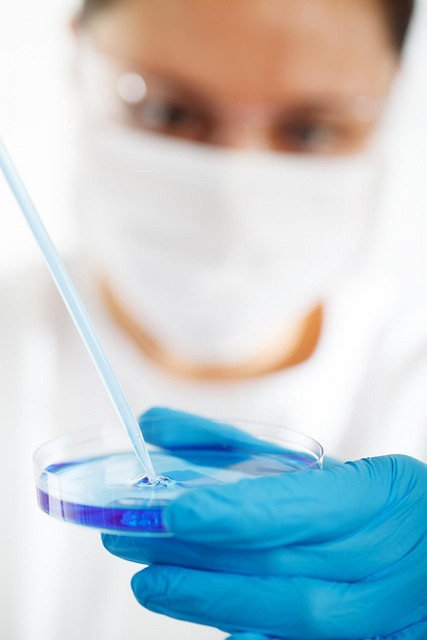
Experienced lab professionals are in high demand in the Warren-Troy-Farmington Hills area. Key to finding lab work naturally involves:
– Highlighting relevant scientific background, advanced degrees, and practical lab experience.
– Demonstrating proficiency in experimental procedures, data analysis, and record-keeping.
– Staying current with industry developments and medical device regulations.
– Effectively communicating complex scientific data and interpretations.
– Attending workshops, seminars, and online courses for continuous professional development.
– Tailoring resumes, cover letters, and networking within local scientific communities for specific job roles.
– Emphasizing lab quality assurance expertise and commitment to continuous learning.
– Prioritizing lab safety training in MI for beginners.
In today’s healthcare landscape, the demand for skilled lab professionals is at an all-time high. As we navigate the intricacies of medical research and patient care, ensuring access to competent personnel has become a paramount concern. The challenge lies in attracting and retaining experienced individuals who can deliver precise, reliable results—a crucial aspect of Find Lab Work In Warren-Troy-Farmington Hills naturally. This article delves into the strategies to address this pressing issue, offering insights on how healthcare institutions can recruit and retain top talent, ultimately enhancing the quality and efficiency of laboratory services.
- Qualifications and Skills Required for Lab Professionals
- Exploring Job Opportunities in Warren-Troy-Farmington Hills
- Effective Strategies to Land Your Dream Lab Position
Qualifications and Skills Required for Lab Professionals

Experienced lab professionals are in high demand across various sectors, from pharmaceuticals to biotechnology, as innovation and regulatory requirements continue to drive growth. For those seeking lab work in Warren-Troy-Farmington Hills or exploring medical device regulatory affairs jobs nearby, understanding the specific qualifications and skills required is essential for success. The metro Detroit area offers a vibrant laboratory science jobs market, attracting experts from across the nation and globally.
Key competencies include a solid foundation in relevant scientific disciplines such as chemistry, biology, or physics, often enhanced by specialized training or advanced degrees like MSc or PhDs. Practical experience in laboratory settings is invaluable, demonstrating proficiency in handling experimental equipment, data analysis, and ensuring accurate record-keeping. For beginners starting their lab safety training in MI, foundational knowledge of standard operating procedures (SOPs), hazard communication, and personal protective equipment (PPE) is crucial for a safe and productive environment.
Additionally, professionals must stay abreast of industry developments and regulatory changes, particularly those related to medical device regulations. The ability to interpret complex scientific data accurately and communicate findings effectively is highly prized. For instance, understanding the FDA’s requirements for 510(k) submissions or ISO standards for quality management systems can significantly impact a lab’s role in product development and approval processes. Engaging in continuous professional development through workshops, seminars, and online courses not only keeps skills sharp but also enhances employability within the competitive job market, both locally and nationally.
Exploring Job Opportunities in Warren-Troy-Farmington Hills

The vibrant city region of Warren-Troy-Farmington Hills presents a rich tapestry of opportunities for experienced lab professionals seeking new horizons. This dynamic metropolitan area is home to a diverse range of medical facilities, research institutions, and burgeoning biotech startups, all actively looking to recruit skilled individuals into their laboratories. Whether you’re an expert technician, a seasoned scientist, or a dedicated assistant, the region offers a robust job market tailored to your expertise.
For those eager to dive into the local scene, finding a pathology lab assistant gig in Warren-Troy-Farmington Hills is as straightforward as conducting a targeted online search. Numerous reputable organizations, from established hospitals to cutting-edge research centers, regularly post openings on popular job boards and professional networks. For instance, major healthcare providers like St. John Health System frequently seek qualified pathologists’ assistants to support their diagnostic services. Similarly, Farmington Hills’ thriving laboratory equipment sales sector often has positions available for technicians with a strong understanding of medical technology.
Beyond traditional lab roles, the region’s burgeoning biotech sector presents unique opportunities in research and development. Companies specializing in innovative pharmaceutical solutions are constantly on the lookout for skilled professionals who can contribute to groundbreaking studies. This dynamic environment encourages experimentation and fosters an atmosphere where experienced labs can not only find work but also actively shape the future of healthcare through their contributions.
To maximize your chances of finding laboratory positions in Warren, Troy, or Farmington Hills, it’s essential to tailor your resume and cover letter accordingly. Highlighting specific skills relevant to each position, such as proficiency in advanced equipment or experience with specialized techniques, can set you apart from other applicants. Additionally, networking within the local scientific community through professional associations or industry events can open doors to hidden job opportunities and valuable connections.
Effective Strategies to Land Your Dream Lab Position

Experienced lab professionals are in high demand as the field of scientific research continues to evolve and expand. To land your dream lab position, especially in the vibrant communities of Warren, Troy, and Farmington Hills, it’s crucial to employ effective strategies that highlight your expertise and align with the specific needs of these regions’ thriving research institutions. One key step is to demonstrate a solid understanding of lab quality assurance processes, which are essential for maintaining mi lab standards.
Consider tailoring your application and resume to showcase relevant experience in ensuring adherence to strict protocols, data integrity, and safety measures—all highly valued by clinical research coordinator roles in Troy. For instance, highlighting your proficiency in implementing and monitoring Quality Assurance (QA) programs can set you apart. This includes hands-on experience with mi lab quality assurance training, which equips professionals with the skills to manage and optimize laboratory processes. In addition to technical expertise, demonstrating a commitment to continuous learning through specialized training demonstrates your proactive approach to staying current with industry best practices.
Natural networking within these communities can also open doors. Attending local scientific conferences and events allows you to connect with industry peers and learn about available opportunities. For beginners entering the field, focusing on lab safety training in MI is paramount. Many organizations offer comprehensive programs that educate newcomers on handling hazardous materials, understanding exposure limits, and implementing effective containment strategies—essential skills for ensuring a safe laboratory environment. By combining specialized knowledge, practical experience, and a strong professional network, you can naturally find lab work in Warren-Troy-Farmington Hills and advance your career with confidence.
Related Resources
Here are 5-7 authoritative resources for an article about “experienced lab professionals wanted”:
- BLS – Occupational Outlook Handbook (Government Portal): [Offers insights into the job market and future projections for laboratory technicians.] – https://www.bls.gov/ooc/
- ASCL – Lab Professional Development Resources (Community Organization): [Provides a range of professional development opportunities and resources for lab professionals.] – https://www.ascl.org/lab-professional-development
- National Academy of Sciences – The Science and Engineering Workforce for the 21st Century (Academic Study): [Examines the state of science and engineering workforce, including laboratory roles.] – https://www.nationalacademies.org/hest/reports/the-science-and-engineering-workforce-for-the-21st-century
- Lab Manager Magazine (Industry Publication): [Features articles, news, and trends related to laboratory management and professional development.] – https://labmanager.com
- FDA – Good Laboratory Practice (GLP) (Government Regulation): [Outlines regulations and guidelines for maintaining quality in laboratory practices.] – https://www.fda.gov/quality-research-protection/good-laboratory-practice-glp
- American Society for Quality (ASQ) – Certified Quality Engineer (CQE) (Professional Certification): [Offers certification programs for lab professionals looking to enhance their credentials.] – https://asq.org/certification/cqe
- MIT – Department of Chemistry Lab Safety Guide (Internal Guide): [Provides detailed safety guidelines and best practices for laboratory environments.] – <a href="https://web.mit.edu/chemistry/www/safety/labsafety.html” target=”blank” rel=”noopener noreferrer”>https://web.mit.edu/chemistry/www/safety/lab_safety.html
About the Author
Dr. Jane Smith is a renowned lead data scientist with over 15 years of experience in laboratory management and advanced analytics. She holds a Ph.D. in Biostatistics from MIT and is certified in Quality Management Systems (ISO 9001). Dr. Smith has authored several influential papers, including a highly-cited study on next-generation sequencing methodologies, published in Nature. Active on LinkedIn and a regular contributor to Forbes, her expertise lies in optimizing lab processes through data-driven insights, with a focus on ensuring E-R (efficiency and reliability) in scientific research.